
Exercise is a crucial non-hormonal intervention during menopause, offering benefits across physical and mental health domains. Understanding effective exercise strategies can help women manage menopause symptoms and reduce health risks.
Why Exercise is Vital During Menopause
Exercise helps reduce the risks of osteoporosis, dementia, muscle loss, and depression during menopause. It also improves heart and brain health and enhances balance, which lowers the risk of falls and fractures, the main injury concern in this stage of life.
Recommended Exercise Strategies
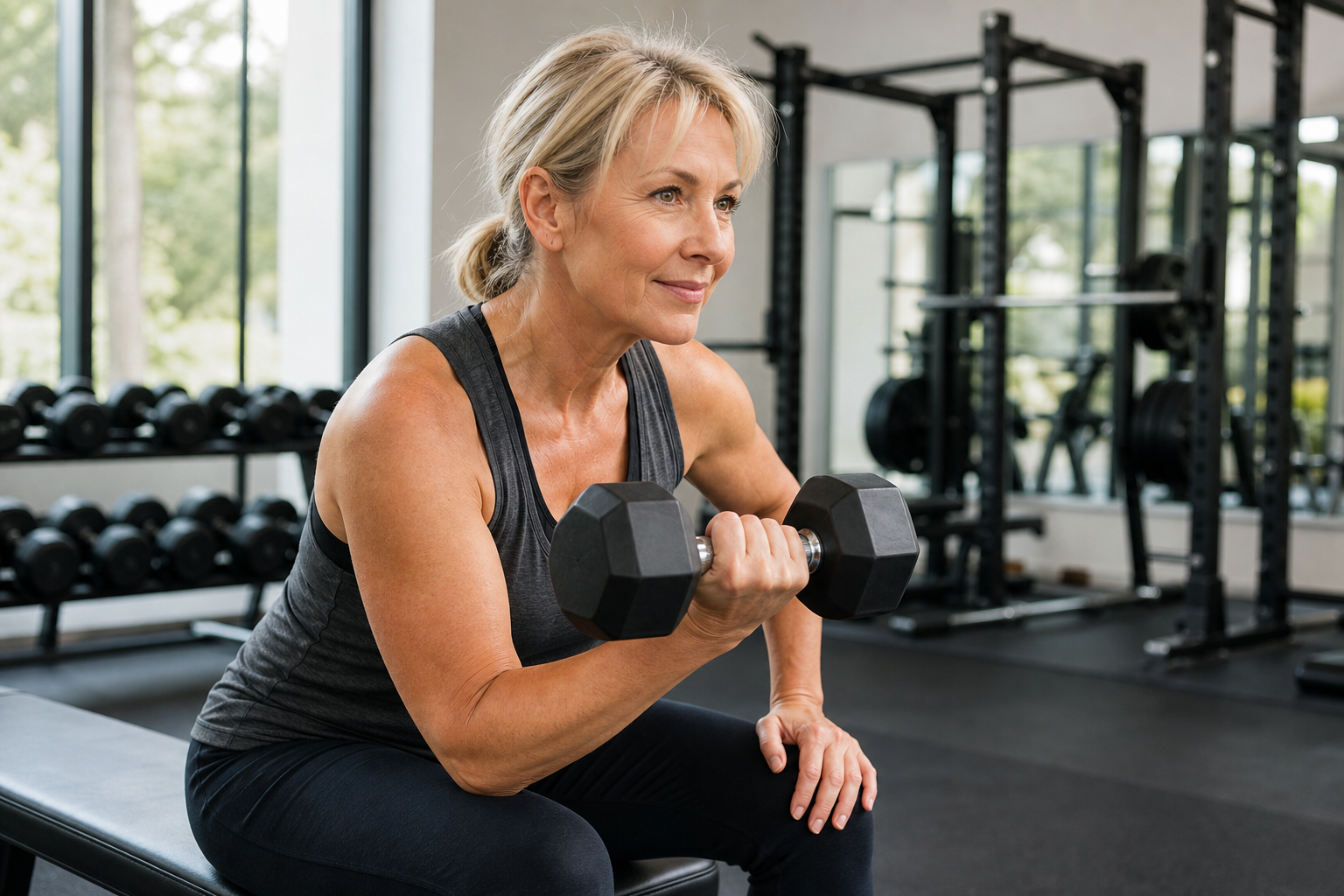
Lifting weights three times a week is recommended to counteract muscle loss during perimenopause and postmenopause. Progressively increasing weight from light to heavier loads builds muscle effectively and supports overall strength.
Supporting Lifestyle Changes
Alongside exercise, eating a fiber-rich healthy diet and avoiding smoking are important foundations for supporting health during menopause. However, only a small percentage of women consistently adopt all three lifestyle changes.
Frequently Asked Questions
What is a recommended exercise strategy to counteract muscle loss during perimenopause and postmenopause?
Lifting weights three times a week is recommended to counteract muscle loss, progressively increasing weight from light to heavier loads to build muscle effectively.
Why is exercise especially beneficial during the menopause transition?
Exercise helps reduce risks of osteoporosis, dementia, muscle loss, and depression, while improving heart and brain health and balance to reduce falls, which are the main risk factor for fractures.
What is the top non-hormonal intervention recommended for all women to improve health during menopause?
Exercise is the top non-hormonal intervention recommended because it positively impacts nearly every domain affected by menopause including depression, bone mass, muscle strength, heart health, and brain health.
What lifestyle changes can support women during menopause?
Exercise, eating a fiber-rich healthy diet, and not smoking are important foundations to support women during menopause, though only 8% of women do all three.
Why do many women gain belly fat during perimenopause and menopause despite eating and exercising the same way?
Weight gain during perimenopause and menopause is primarily due to hormonal changes, not changes in diet or exercise.
WEEKLY FROM EVE
A calmer way to stay informed.
Useful menopause guidance, thoughtful new articles and no noise.

Leave a Reply